Destination
Nepal's Premier Wildlife Sanctuary & UNESCO World Heritage Site
Chitwan National Park, established in 1973 as Nepal's first national park, represents one of Asia's last remaining undisturbed habitats of the Inner Terai lowlands. Inscribed as a UNESCO World Heritage Site in 1984, the park protects 932 square kilometers of subtropical forests, grasslands, and wetlands that support an extraordinary diversity of wildlife.
The park lies in the subtropical Inner Terai lowlands of south-central Nepal, in the Chitwan District. The park's elevation ranges from 100 to 815 meters, creating a mosaic of habitats including sal forests, riverine forests, and tall elephant grass that can reach heights of 8 meters.
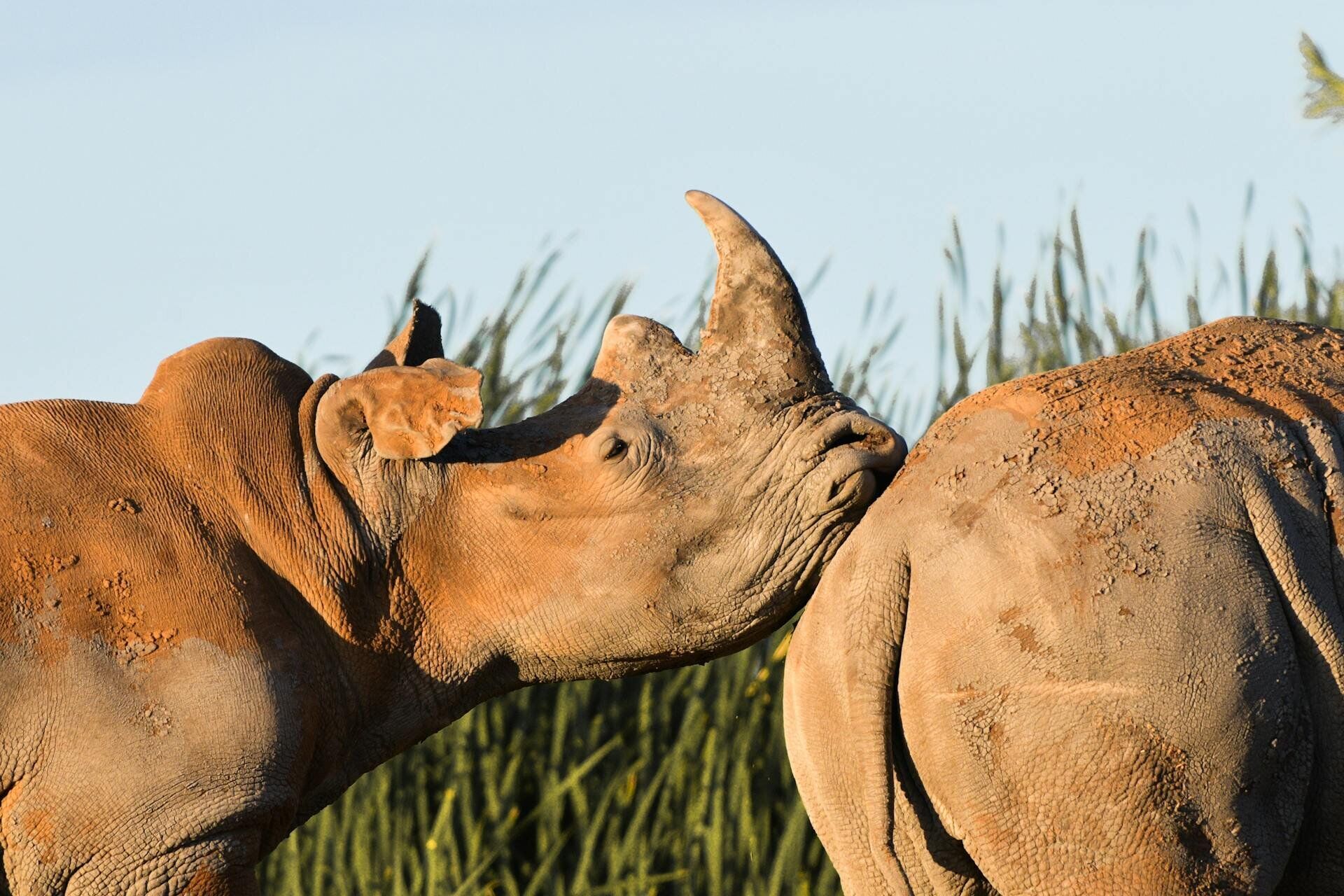
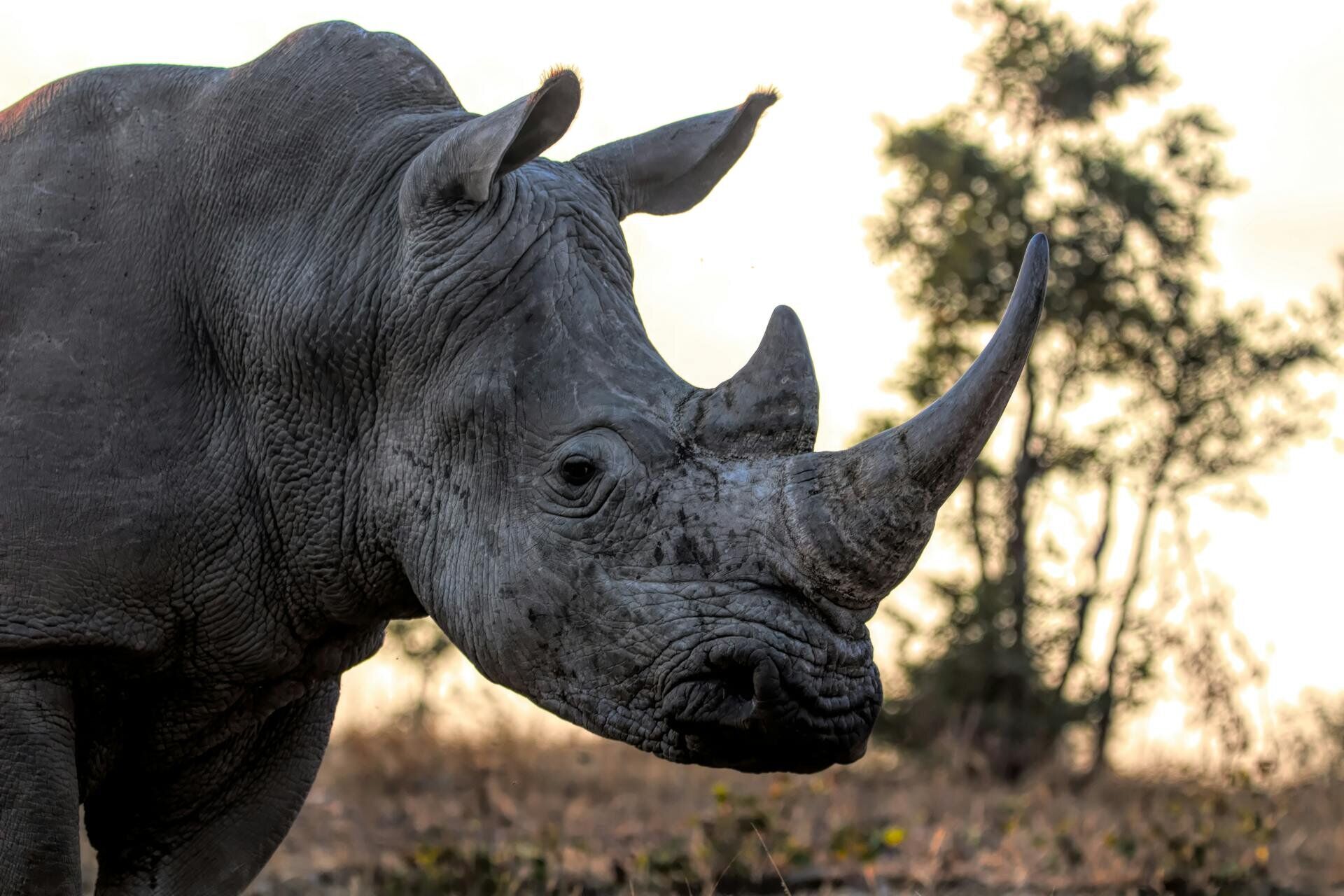
Chitwan is renowned as one of the best places in Asia to spot the endangered one-horned rhinoceros, with a population exceeding 700 individuals. The park also harbors one of the largest populations of Bengal tigers in Nepal, making it a premier destination for wildlife enthusiasts worldwide.
Wildlife
Home to some of Asia's most endangered species, Chitwan offers exceptional wildlife viewing opportunities.
The greater one-horned rhinoceros is Chitwan's most iconic resident. These prehistoric-looking giants can weigh up to 2,500 kg and are best spotted near waterholes and grasslands.
Chitwan harbors one of Nepal's largest tiger populations. The 2022 census recorded over 125 tigers in the park, though sightings require patience and luck.
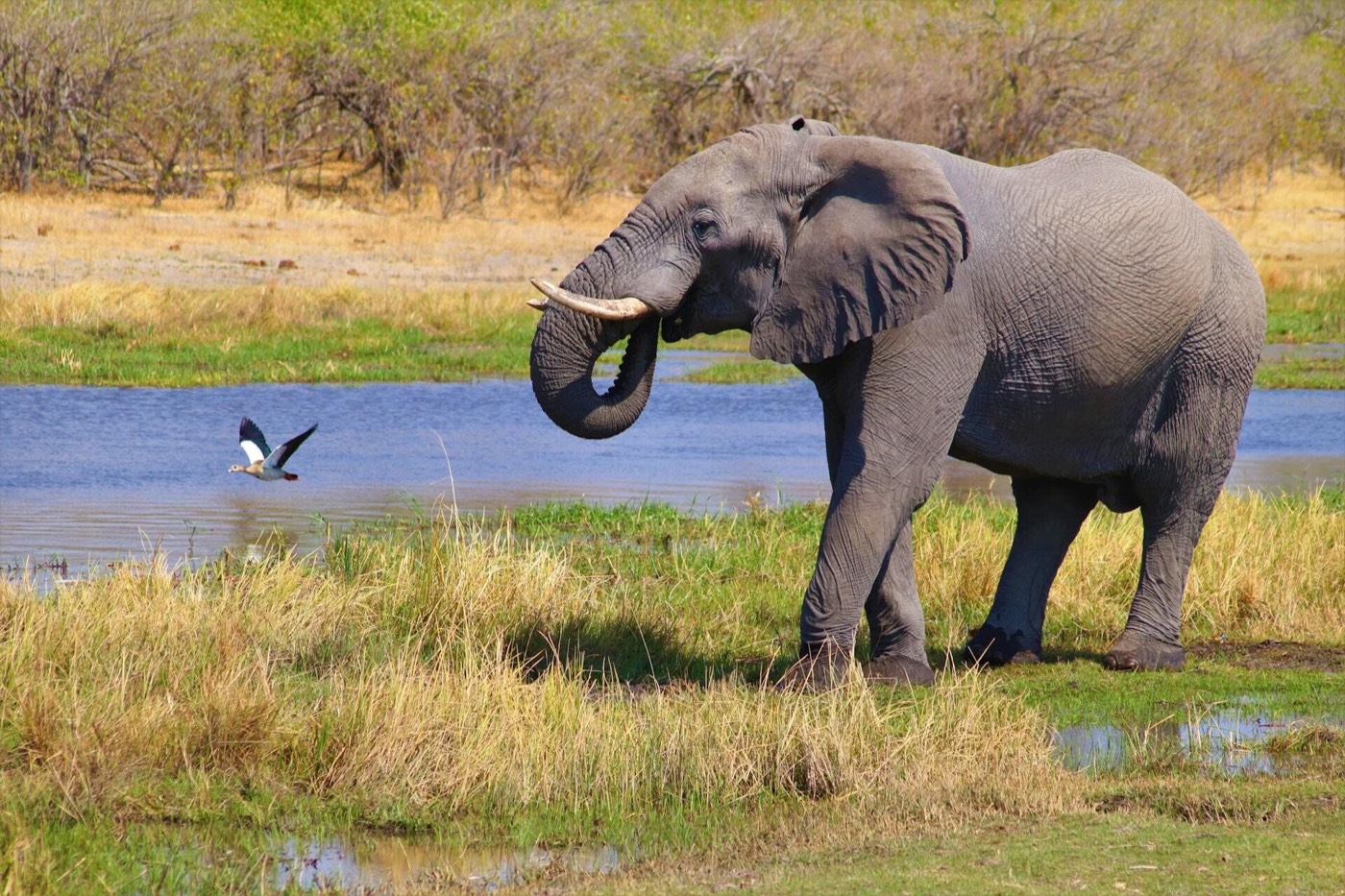
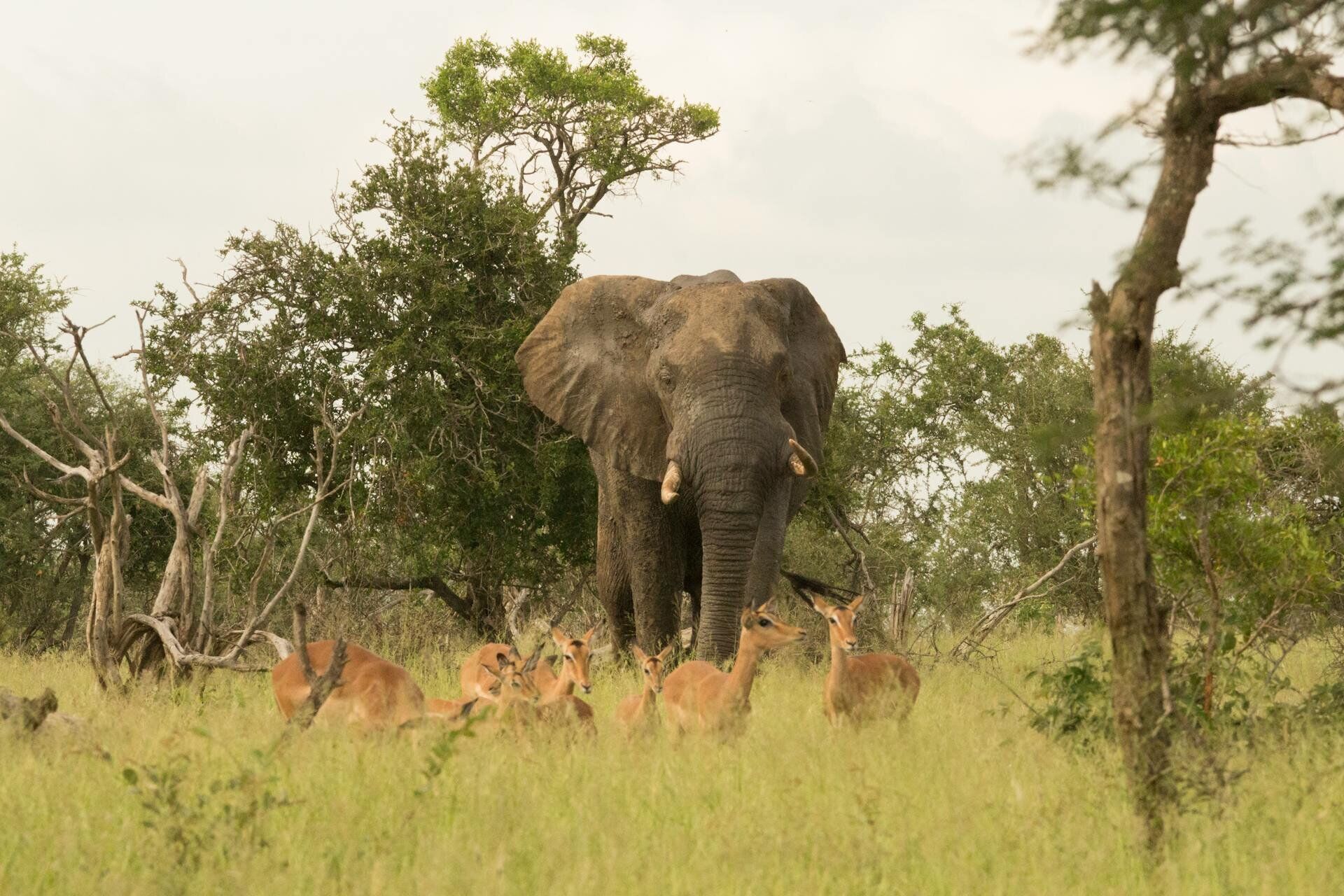
Wild Asian elephants roam the park's forests, while trained elephants at the breeding center help with conservation efforts and educational programs.
The gharial, with its distinctive long snout, inhabits the Narayani and Rapti rivers. The park operates a breeding center to help recover this rare species.
From the giant hornbill to the Bengal florican, Chitwan is a birder's paradise with over 600 recorded species including many endangered and migratory birds.
Sloth bears, leopards, wild boar, four species of deer, langurs, and the elusive fishing cat are among the 68+ mammal species recorded in the park.
Experience
Multiple ways to explore Chitwan's wilderness, each offering unique perspectives on the jungle ecosystem.
Morning and afternoon game drives in open-top 4x4 vehicles cover more ground, ideal for spotting rhinos, deer, and with luck, tigers in the grasslands.
Drift silently down the Rapti River in dugout canoes, watching for gharials, marsh muggers, and diverse birdlife along the riverbanks.
Guided walks through the buffer zone forests offer intimate encounters with nature, tracking wildlife and learning about medicinal plants.
Visit the government breeding center to learn about elephant conservation and see calves being raised for protection duties.
Early morning excursions with expert guides to spot hornbills, eagles, owls, and seasonal migrants across diverse habitats.
Evening performances of traditional stick dances and music by the indigenous Tharu people, who have lived in the Terai for generations.
Plan Your Visit
5-6 hour drive from Kathmandu or Pokhara. Flights available to Bharatpur Airport. Tourist buses run daily from major cities.
October to March offers cool, dry weather and excellent wildlife viewing. Avoid monsoon (June-September) when flooding closes trails.
Park entry: NPR 2,000 per day for foreigners. Guides are mandatory for jungle activities. Safari costs vary by operator.
2-3 nights minimum for a proper safari experience with morning and afternoon activities. Longer stays increase wildlife sighting chances.
Gallery
Ready to Explore?
Let VIP2NEPAL arrange your perfect jungle safari with luxury lodges and expert naturalist guides.